 1500s - 1500s -
1500  Portuguese Pedro Cabral discovers Brazil. Portuguese Pedro Cabral discovers Brazil.
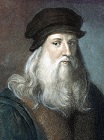
1503 Leonardo da Vinci paints Mona Lisa.
|
 1510s -
1510 Portuguese capture Goa, India.
1511 Portuguese capture Malacca, Malaysia. Malaysian gunmakers then collaborate with the Portguese to develop an improved matchlock firearm.
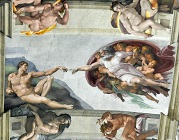
1512 Michelangelo completes painting the Sistine Chapel ceiling
1513 Vasco Núñez de Balboa crosses the Isthmus of Panama and discovers the Pacific Ocean
1516 Dutch scholar and humanist Erasmus translates the New Testament into Latin.
1517 Ottoman army conquers Jerusalem, Mamluk kingdom of Egypt, and Syria.
1517 Martin Luther posts 95 Theses to the door of the castle church in Saxony.
1519 Spaniard Hernando Cortez tours Mexico City at the invitation of Aztec king Moctezuma II. |
 1520s
- 1520s
-
1519-22 Ferdinand Magellan leads first expedition to circumnavigate the earth
1520 Charles V Holy Roman Emperor
1520 Cortez expelled from citadel at Tenochtitlan, where a smallpox epidemic was raging.
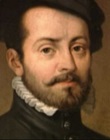
1521 Hernando Cortez conquers the Aztecs - Memoir of a Conquistador
1521 The Calusa prevent
Governor of Puerto Rico Ponce de León from colonizing Florida.
1521 Belgrade captured by Ottoman Turks.
1524-5 The emerging Protestant Reformation and increasingly oppresive serfdom leads to the German Peasants' War
1526 Turks under Sulayman the Magnificant defeat and kill Hungarian King Louis II at
Battle of Mohács, beginning Ottoman dominion over Hungary.
1527 Hapsburg mercenaries sack Rome
1527 Spaniard Francisco Pizzaro begins invasion of Peru; causes smallpox epidemic among
native peoples.
1527 Paracelsus lectures on his innovative use of chemicals and minerals in medicines at the University of Basel.
|
 1530s - 1530s -
1530s Muskets (muzzle-loaded long rifles) are used to penetrate heavy plate armor.
1532 Emperor Atahualpa is captured by Pizarro, leading to the fall of the Inca Empire.
1532 Niccolò Machiavelli publishes Il Principe ( The Prince).
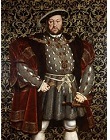
1534 King Henry VIII recognized as head of the Church of England.
1534 Ignatius of Loyola founds the Jesuit Order.
1535 Thomas More, Lord High Chancellor of England and author of Utopia
, opposed the English Reformation and was tried and executed for treason.
|
 1540s - 1540s -
1540 Chief minister to King Henry VIII (1534-1540), Thomas Cromwell is beheaded on orders of the king, which Henry later regretted.
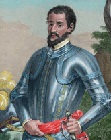
1539-42 After his expedition terrorizing native North Americans, Hernando de Soto dies on the bank on the Mississippi River
1542 Álvar Núñez Cabeza de Vaca publishes "Shipwrecks and Commentaries" providing detailed accounts of the many tribes of Native Americans that he encountered.
1542 Portuguese sailors make contact with Japan.
1543 Nicolaus Copernicus publishes a book (On the Revolutions of the Celestial Spheres) outlining a sun-centered universe, just before his death.
1547 Roman Catholic Church convenes the first Council of Trent, in response to the
Protestant Reformation.
1549 Catholic missionary Francis Xavier arrives in Japan.
|
 1550s 1550s
1550 The Society of Jesus (Jesuits) is approved by Pope Julius III
1550 Nostradamus' first almanac is written
1552 A Short Account of the Destruction of the Indies, written by Spanish clergyman Bartolomé de las Casas in 1542, is published, revealing atrocities by colonizers against the indigenous peoples.
1552 Russians, led by Ivan the Terrible, overturn Khanate of Kazan.
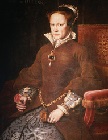
1553-58 Queen Mary I sttempts to restablish English Catholicism
1556 Russians overturn Khanate of Astrakhan.
1556 Charles V abdicates to Philip II & Ferdinand I
1559-1603 Elizabeth I
|
 1560s 1560s
1560 The Scottish Parliament adopts a Protestant confession of faith and rejects papal authority, beginning the Scottish Reformation
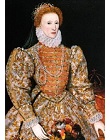
1558-1603 Queen Elizabeth I, the last monarch of the House of Tudor, re-establishes the English Protestant church. Historians often depict the Elizabethan era as the golden age in English history.
1563 The Parliament of Scotland passes the Witchcraft Act, making both the practice of witchcraft and consulting with witches punishable by burning at the stake.
1565 Italian philosopher Bernardino Telesio publishes his first edition of (On the Nature of Things according to their Own Principles), which stressed empirical data and helped develop the scientific method.
156? The Mercator projection is first used in Gerardus Mercator's world map
|
 1570s 1570s
1571 Battle of Lepanto, in Gulf of Corinth, where fleets of Spain, Venice and the Pope defeat the Ottoman fleet, temporary curtailing Muslim expansion into the eastern Mediterranean.
1572 St. Bartholomew's Day Massacre: Royal army slaughters thousands of Protestants in Paris.
1576 Antwerp, Belgium, sacked by Spanish army.
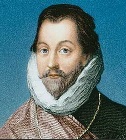
1577 Privateer (Pirate) Francis Drake circumnavigates the earth
1578 Peace reached between Spain and Turkish Empire.
1579 Union of Utrecht - Dutch Republic
|
 1580s 1580s
1580 French philosopher Michel de Montaigne publishes his Essays, the literary genre he is known for popularizing.
1580 Ivan IV the Terrible kills his son
1582 Gregorian Calendar adopted in Western Europe, 1752 in England
1588 Spanish Armada defeated by British
1589 Bourbon Henry IV King of France
1585-90 English Roanoke Colony fails in North America
1586 Queen Elizabeth sends a legion of English merchants, adventurers,
and courtiers to colonize the lush hills and pastures of Ireland's Munster County. This is
the largest overseas colonizing effort of the Tudor dynasty.

1588 English defeat Spanish Armada. |
 1590s 1590s
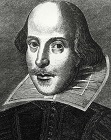
1590s Most of Shakespeare's plays are written.
1593 Italian philosopher Giordano Bruno is imprisoned for his cosmological theories that stars are distant suns with their own planets. He was eventually burned alive at the stake in 1600 for his associated theological beliefs.
1598 French King Henry IV issues Edict of Nantes, giving rights to French
Protestants.
1599 Italian Dominican philosopher Tommaso Campanella, who conspired against the Spanish rulers of southern Italy, was tortured and sent to prison, where he spent 27 years writing his most significant works, including The City of the Sun, a utopia describing an egalitarian theocratic society where property is held in common.
|
 1500s
1500s 